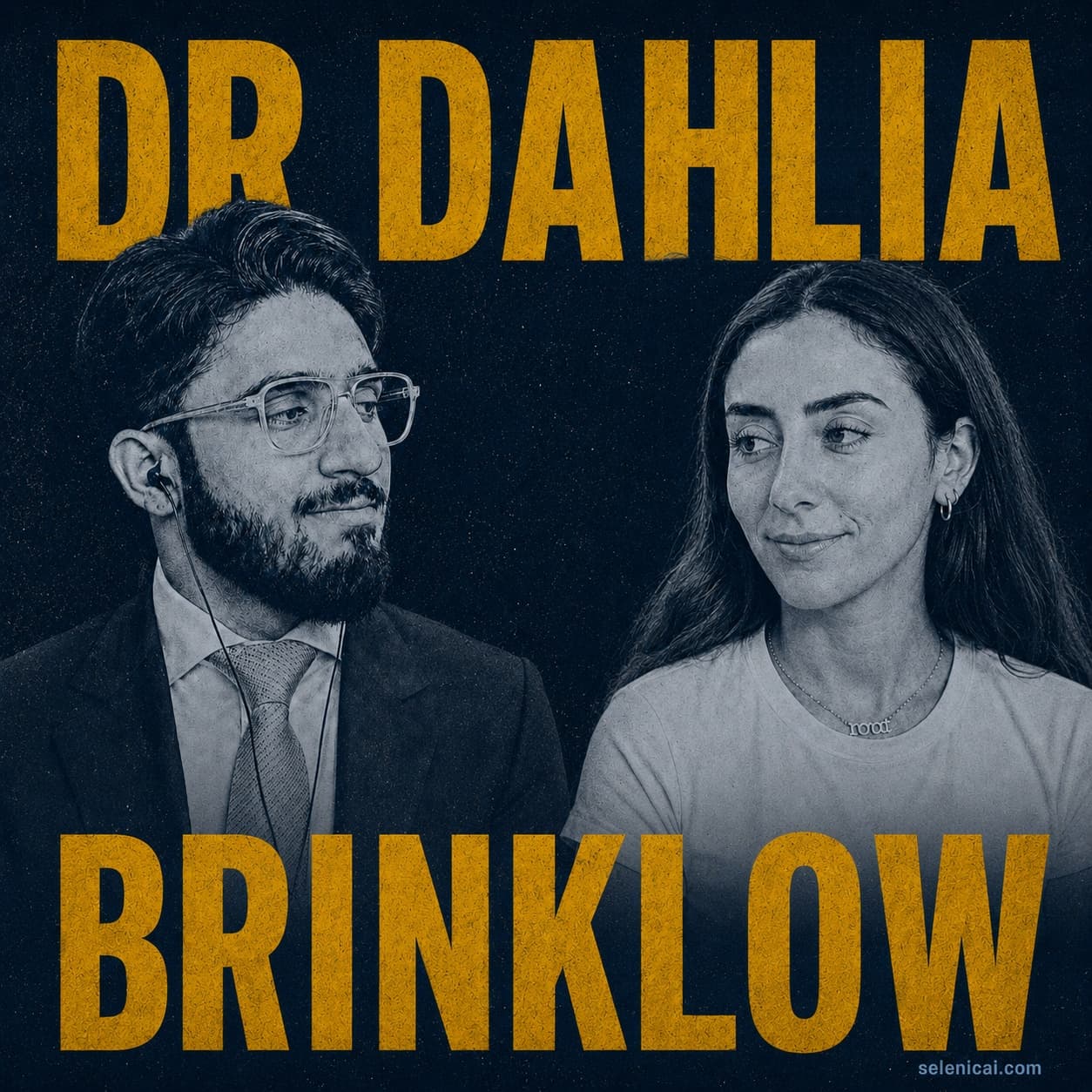

Dr Dahlia Brinklow knew in her first week of pharmacy that she was on the wrong course.
She had missed the A-level grades for dentistry, and everyone around her said pharmacy was the next best thing. So she took it, walked into the University of Manchester, and felt it almost immediately: this is not the career I want. She asked her academic advisor to move her across to dentistry. The answer was no.
Most people would have accepted that. A science degree, a stable job at the end of it, an easier life. She finished the degree, and then she went back to square one anyway.
The graduate-entry route
In her second year she found out graduate-entry dentistry existed, offered by only a handful of universities in the UK. She redid her personal statement, sat the admissions test again, reapplied, and got in.
That meant several more years as a student while her friends started earning. It also meant funding a second degree herself. Her answer was three jobs at once: shifts at two coffee shops, starting at half five in the morning, plus tutoring GCSE and A-level sciences in the evenings, wrapped around clinic days and study.
It's short term pain for long term gain. In the long term, it's what I actually wanted to do, so it was a no-brainer.
Ask her whether she ever doubted the decision and the answer is unusually clean.
Not once did I ever think I made a mistake. It was my first phantom head session, and I just thought, this is it. I'm so happy.
She qualified in 2024 and is now an associate at Harpers Dental in Bolton, building a patient list that comes back for her by name.
"Never, ever, ever too late"
Dahlia now gets regular messages from people in the position she was in: partway through a degree or a career they do not enjoy, wondering whether switching to dentistry is still realistic. Her answer does not hedge.
It is never, ever, ever too late. Your career is for the rest of your life. You're going to be doing it until you're 65 or 70. You've got to be happy in your career.
The arithmetic backs her up. A career runs forty years or more. Three or four years of retraining is a rounding error against four decades in work you actually want, and the discipline from the first degree does not go to waste. She credits pharmacy with teaching her how to study, and giving her a grounding in medication she still uses clinically.
If you're messaging me in the first place, you're obviously thinking about it enough that you might apply. I always encourage people to do it, if it's what they actually want.
If you are stuck, start with why
Her advice for anyone in a career they do not love is not "quit tomorrow". It is a reflection exercise.
You need to reflect and see why you don't enjoy it. What is it about the career you don't enjoy? What do you enjoy? Can you navigate to a different part of the industry, or do you need a complete change?
Write the answers down. Be specific about what is wrong with the current path and what the alternative actually offers. If the honest answer points somewhere else, the years will pass either way. You can spend them in the wrong career or spend some of them fixing it.
Dahlia bet three extra years on the second option and calls it the best decision she has made. The whole story, including what surprised her most when she started treating real patients, is in the full episode.
If the career you are rethinking is dentistry itself, and the problem is the business rather than the clinical work, start with The $2 Dentist.

Host, Between Patients
Host of Between Patients and the fourth generation in a dental family. I sit down with private practice owners for the conversation we usually only have once the door is closed — no script, full editorial control, a real record of how they think, decide, and rebuild.