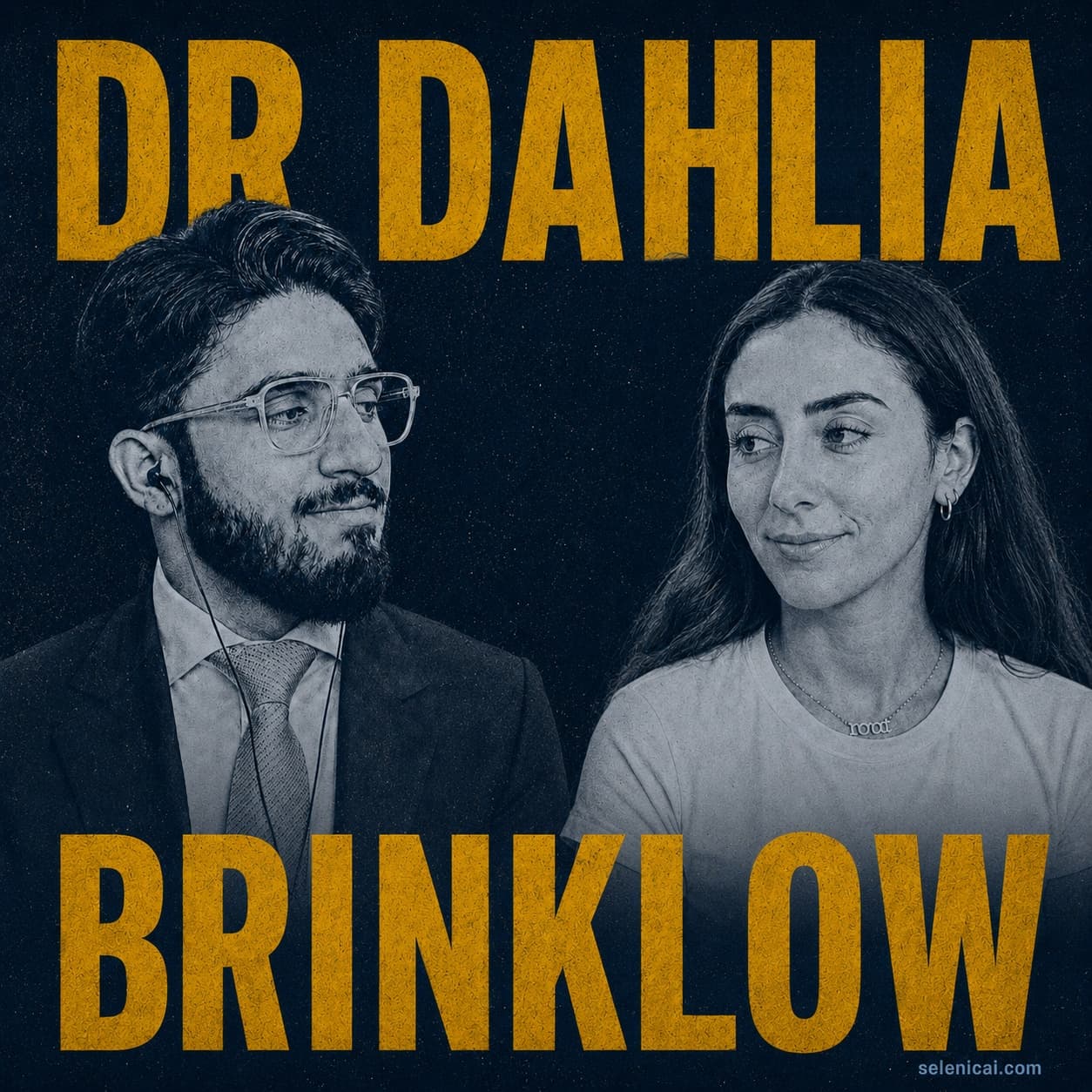

There is a moment every associate remembers. For Dr Dahlia Brinklow, an associate at Harpers Dental in Bolton, it came at the front desk.
A patient had been booked in with another dentist by accident. They walked up to reception and asked a simple question: why am I seeing them? I normally see Dr Dahlia. The booking was moved back.
That is the whole thesis in one story. The patient did not come back for the practice. They came back for her.
Trust lives with the person
Ask Dahlia why patients bond with a person and not a practice and her answer is direct.
At the end of the day, it's the person that's delivering the treatment. They're trusting that one person to work on such an intimate part of themselves. It all comes down to trust.
Dentistry is one of the most personal services anyone buys. The patient is lying back, mouth open, hoping the person holding the drill knows what they are doing and cares how it goes. That relationship cannot belong to a building. It belongs to whoever earned it, one appointment at a time.
The sign above the door gets the patient through it once. The dentist decides whether they come back.
Why this matters for associates
Most young dentists assume name-building is something you worry about when you own a practice. Dahlia's argument is the opposite: the name comes first, and it compounds from your very first year.
If you build that much rapport with a patient, that much trust, if you move practice they'll likely move with you.
An associate who builds real loyalty is never starting from zero again. The patients are loyal to the hands and the manner, not the postcode. Within a reasonable radius, they follow.
That changes how you should think about every appointment. You are not just delivering a filling for the practice's book. You are making a deposit in the only asset that stays with you for a whole career: your reputation with the people in your chair.
The practice benefits too
None of this is a threat to the practice owner. It is the opposite.
Dahlia's practice reposts her clinical photography on its own social media. Her name is watermarked on every case. When a patient sees a piece of composite bonding they like, they know exactly which dentist to ask for, and they book into that practice to get it.
A practice full of associates with names is a practice patients actively choose. The owner gets fuller books. The associate builds equity in themselves. Both sides win, which is why smart owners encourage it instead of fearing it.
How a name actually gets built
Nothing in Dahlia's playbook requires a marketing budget. It looks like this:
- Do work you are willing to put your name on, every time.
- Photograph your cases. Even if nobody ever sees them, the discipline of reviewing your own work makes you better.
- Put your name on what you share. A watermark is not vanity. It is how a patient connects the result to the dentist.
- Be the same person at every appointment. Loyalty is built on consistency, not brilliance on a good day.
Dahlia's argument is not a niche one. Building a patient base that would travel with you is one of the six sessions on the associate track at Denticula, which works through case acceptance, treatment mix and the split, in the order those three actually pay. Live, online, and none of it clinical.
The full conversation goes deeper on all of this, including the parts of the job dental school never prepared her for. Listen to the full episode with Dr Dahlia Brinklow.
And if you want the business side of this argument, why brilliant clinicians so often build broke practices, that is the subject of The $2 Dentist.

Host, Between Patients
Host of Between Patients and the fourth generation in a dental family. I sit down with private practice owners for the conversation we usually only have once the door is closed — no script, full editorial control, a real record of how they think, decide, and rebuild.